
Organic Agriculture in Bali: A New Movement in Preserving Nature
Bali, an island known for its natural beauty, rich culture, and strong traditions, is increasingly adopting organic agriculture as one of the solutions to preserve nature. This organic farming movement aims not only to enhance food quality but also to protect the environment, promote public health, and support the local economy. In this article, we will explore in-depth organic agriculture in Bali, its benefits, challenges, and how this movement can contribute to nature conservation.
Related Posts:
What Is Organic Agriculture?
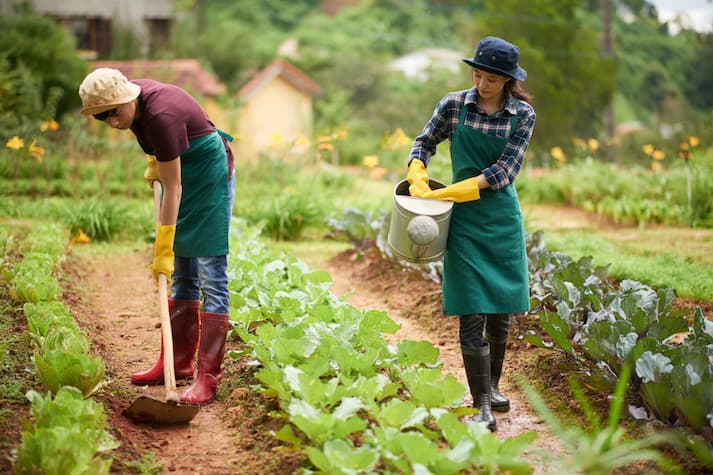
Organic agriculture is a farming method that prioritizes the use of natural materials and avoids synthetic pesticides or fertilizers. This approach focuses on the harmony between plants, animals, and the environment while considering ecosystem sustainability. In Bali, organic farming is becoming more popular among farmers, students, and local communities in response to pressing environmental and health issues.
Benefits of Organic Agriculture
Better Food Quality
Organic agricultural products are generally fresher and richer in nutrients. Without the use of harmful chemicals, organic fruits and vegetables have a more natural taste.Environmental Sustainability
Organic farming helps maintain ecosystem balance by reducing soil, water, and air pollution. Practices like crop rotation and the use of green manure can also enhance soil fertility.Reducing Health Risks
By avoiding the use of pesticides and other chemicals, organic products reduce the risk of exposure to hazardous substances for both consumers and farmers.Supporting the Local Economy
Organic agriculture creates opportunities for small farmers to market their products directly to consumers, which can increase income and economic resilience in communities.
Organic Agriculture in Bali: History and Development
Since the early 2000s, Bali has witnessed a growing interest in organic agriculture. Several local and international organizations have begun developing training and outreach programs to help farmers transition to organic methods. These programs not only cover agricultural techniques but also marketing strategies to help farmers reach broader markets.
Various initiatives undertaken in Bali include:
- Educational Programs: Many educational institutions and universities in Bali host seminars, workshops, and courses on organic agriculture.
- Farmers' Groups: Organic farming communities have been formed to share knowledge and experiences among farmers.
- Organic Markets: The establishment of dedicated markets for organic products in various areas of Bali, making it easier for consumers to access healthy local products.
Challenges of Organic Agriculture in Bali
Despite the positive trend in organic agriculture in Bali, several challenges must be faced, including:
Limited Knowledge and Resources
Not all farmers possess adequate knowledge about organic farming techniques. Additionally, access to resources such as organic seeds and fertilizers is often limited.Weather and Climate
Bali is known for its extreme climate changes, which impact agricultural yields, especially for organic farmers who heavily rely on natural conditions.Market Competition
Although the organic market is expanding, conventional products sold at lower prices still pose a significant challenge. This can make it difficult for organic farmers to achieve reasonable profits.
Solutions to Overcome Challenges
To address the challenges faced by organic agriculture in Bali, several steps can be taken:
- Continuous Education: Enhancing training programs and workshops for farmers to better equip them with knowledge about organic farming.
- Collaboration with the Government: Support from local governments is essential to promote policies that favor organic farming, including subsidies for organic farmers.
- Development of Eco-Friendly Technology: Introducing new technologies that can assist organic farmers in their practices, such as efficient irrigation systems and eco-friendly farming tools.
Conclusion
Organic agriculture in Bali represents a movement that not only promises economic benefits but also offers significant advantages for the environment and public health. With the growing awareness of sustainability and health importance, organic farming is expected to continue to thrive and become an integral part of Balinese life. Through support from various parties, including the government, educational institutions, and the community, organic agriculture can become a long-term solution to preserve nature and enhance the quality of life in Bali. Let us work together towards more sustainable and eco-friendly farming!
Related Posts:
Sustainable Agriculture in Bali: Challenges and Future Opportunities |10 Budget Travel Tips in Bali for Backpackers |Bali Souvenirs Paradise: From Milk Pie to Kintamani Coffee |1241 857 Pertanian
Video

0 Comments