
Understanding the Subak System: The World-Renowned Traditional Agricultural Heritage of Bali
Bali, an island known for its natural beauty, not only attracts tourists with its enchanting beaches and rich culture. Behind this charm, Bali also harbors a unique and sustainable agricultural system known as Subak. This system is not merely a farming method but a cultural heritage recognized by UNESCO as a World Cultural Heritage. This article will delve deeply into the Subak system, how it works, and its importance to the community and the environment.
Related Posts:
What is the Subak System?
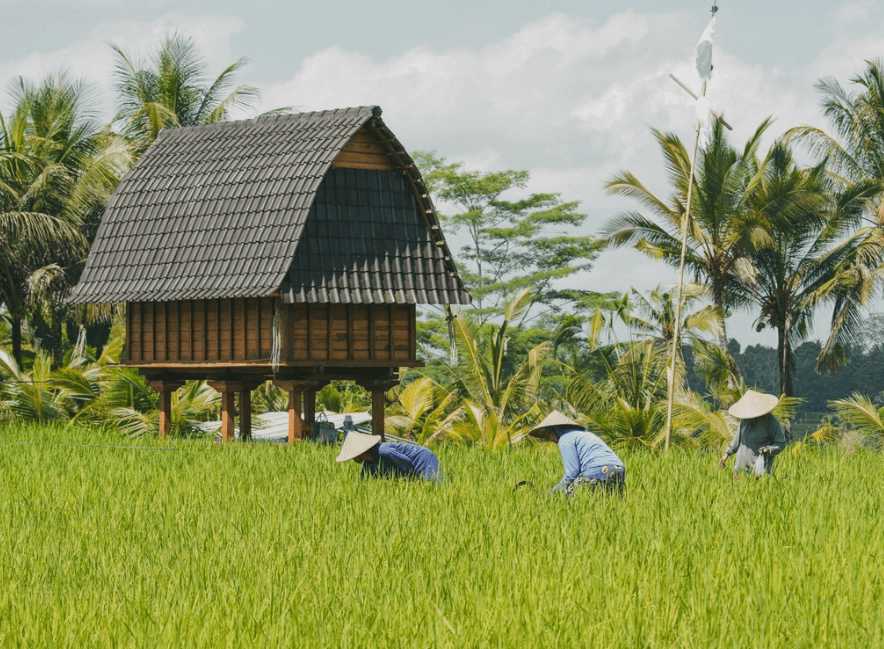
The Subak system is a traditional approach to managing rice field irrigation in Bali. This concept focuses on the balance between water management, agriculture, and the social life of the community. Subak comes from the words "sumber" (source) and "sukat" (measure), referring to the water sources and the measurement in distributing water for rice fields. This practice involves farmers cooperating to manage irrigation and maintain environmental sustainability.
History of the Subak System
The Subak system has existed since the 9th century and developed alongside the arrival of Hindu culture in Bali. Balinese farmers adapted this agricultural pattern to address natural challenges, such as unpredictable rainfall. Over the centuries, Subak has proven effective in increasing rice yields and maintaining environmental sustainability.
How the Subak System Works
1. Water Management
The core of the Subak system is the management of water resources. Irrigation channels are constructed naturally, following the land contours to distribute water from the main source to the fields. The farmer community, which consists of members of the subak, is responsible for maintaining these channels to ensure their functionality.
2. Community Participation
The Subak system emphasizes active participation from all community members. Each farmer has rights and responsibilities in managing water resources. They often hold meetings to discuss water distribution, planting schedules, and other issues that may arise.
3. Environmental Balance
The Subak system also maintains ecosystem balance. By constructing irrigation channels that take into account the presence of local plants and animals, Subak contributes to the preservation of biodiversity in Bali. This makes the Subak system highly relevant in the context of sustainable agriculture and environmental conservation.
Benefits of the Subak System
1. Agricultural Sustainability
The Subak system ensures that agriculture remains sustainable by fairly allocating water resources to all members. Abundant agricultural yields can be achieved without harming the environment.
2. Local Wisdom and Culture
Subak is an integral part of Balinese culture. The knowledge and agricultural practices passed down through generations reflect the local wisdom that fosters respect for nature and the community.
3. Education and Environmental Preservation
The Subak system teaches not only about agriculture but also the importance of environmental preservation. By maintaining this practice, future generations are taught about their responsibility towards nature and sustainability.
Protection and Implementation of the Subak System
In 2012, UNESCO designated the Subak system as a World Cultural Heritage, further increasing the importance of protecting and practicing this system. Continuous efforts are being made by both government and non-governmental organizations to maintain the sustainability of the Subak system, including outreach to farmers and support in developing environmentally friendly irrigation technologies.
Conclusion
The Subak system is a perfect example of the ecological insights and local wisdom of the Balinese people in managing natural resources. This sustainable farming model not only enhances rice production but also preserves culture and the environment. As awareness of the importance of sustainable agriculture grows worldwide, Subak can serve as a model for agricultural systems in various parts of the world.
Therefore, understanding and appreciating the Subak system not only provides a deeper insight into Bali's cultural heritage but also invites us to learn from practices that have been sustainable and environmentally friendly for centuries. Through support from the global community, we can ensure that this system will continue to thrive and develop for future generations.
Related Posts:
The Future of Balinese Agriculture: Modern Technology and Tradition Preservation |Secrets to a Budget Vacation in Bali: Affordable Places to Stay, Eat, and Explore |Understanding the Subak System: The World-Renowned Traditional Agricultural Heritage of Bali |1657 469 Pertanian
Video

0 Comments