
5 Powerful Mindfulness Exercises to Reduce Anxiety and Stress
In an increasingly busy and pressure-filled world, many people face anxiety and stress every day. Fortunately, the practice of mindfulness has proven to be a highly effective tool for helping to reduce anxiety and stress. This article will discuss five powerful mindfulness exercises to enhance your mental well-being. Let’s get started!
Related Posts:
What Is Mindfulness?
Before discussing the exercises, it’s important to understand the concept of mindfulness. Mindfulness is the ability to be fully present in the moment, without judgment or trying to change it. This practice originates from Buddhist meditation traditions but has been widely adopted in modern psychology as a technique to manage stress, anxiety, and depression. By practicing mindfulness, we can learn to accept our feelings and thoughts better, which helps us manage our responses to life’s pressures.
1. Mindfulness Meditation
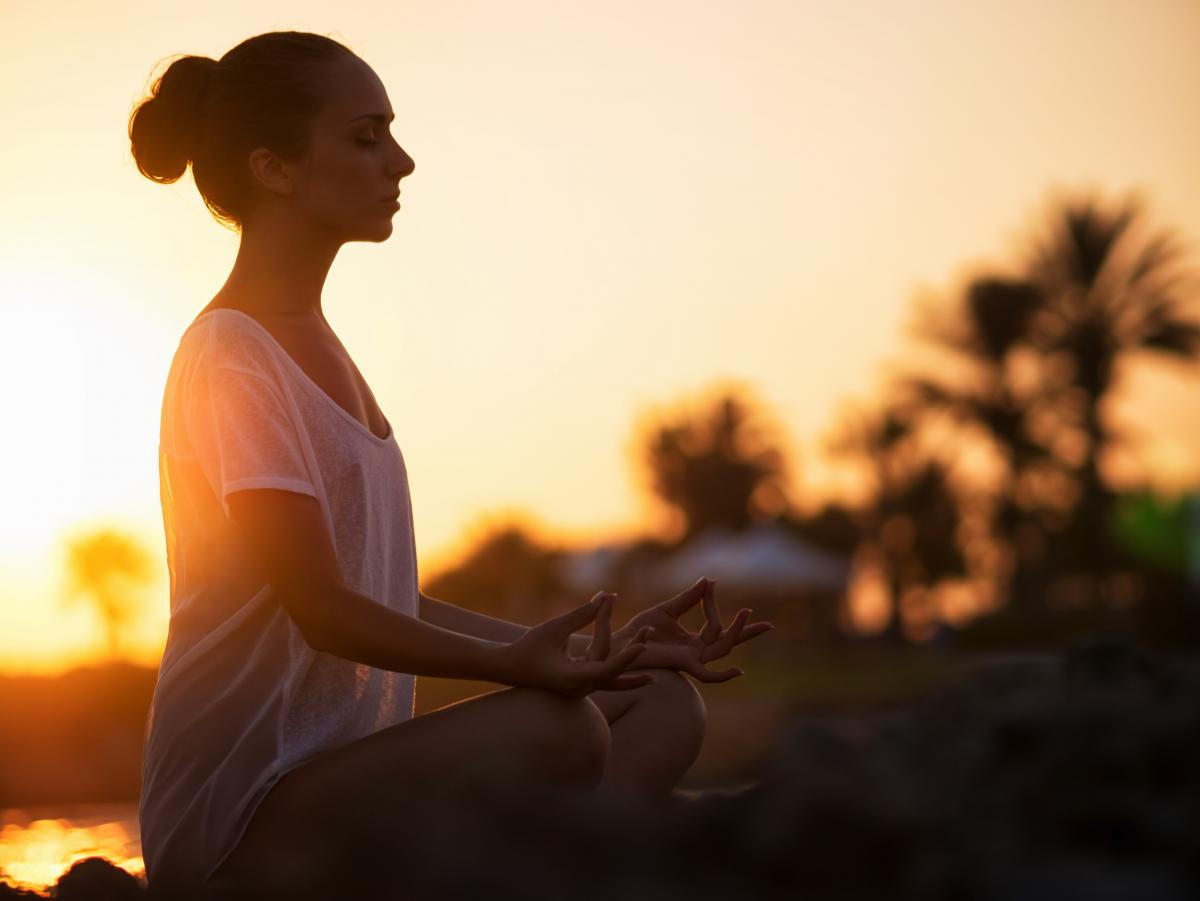
Mindfulness meditation is one of the most basic and effective exercises in the practice of mindfulness. Here are the steps to perform this meditation:
- Find a Quiet Place: Choose a quiet location where you won’t be disturbed.
- Sit Comfortably: Sit comfortably, either on a chair or on the floor. Keep your back straight and relaxed.
- Focus on Your Breath: Close your eyes and focus on your breathing. Inhale deeply through your nose and exhale slowly through your mouth.
- Notice Your Thoughts: As thoughts come, don’t try to hold them back. Simply observe them and return your focus to your breath.
- Duration: Start with five to ten minutes a day, then gradually increase over time.
This meditation helps calm the mind and reduce anxiety by bringing attention back to the present moment.
2. Mindful Eating
Mindfulness exercises are not limited to meditation. You can also practice them in everyday activities, such as eating. Here are the steps:
- Avoid Distractions: Turn off your gadgets and find a specific time to eat.
- Pay Attention to Your Food: Take a bite and notice the texture, aroma, and taste of the food.
- Eat Slowly: Chew slowly and enjoy each bite. This builds awareness and gratitude towards the food you eat.
- Reflect: After finishing, take a moment to reflect on your eating experience.
By paying attention to your eating experience, you'll feel more satisfied and avoid overeating.
3. Emotion Journaling
Writing about your feelings can help reduce stress and anxiety. Emotion journaling is one way to practice mindfulness. Here’s how to do it:
- Prepare a Notebook: Choose a notebook that you find comfortable to use.
- Set a Time: Set aside time each day, such as before bed, to write down your feelings and thoughts.
- Write Honestly: Don’t worry about grammar or structure. Write whatever comes to mind.
- Reflect: Take time to read back your writings and understand any patterns in your emotions or anxieties.
Emotion journaling helps you gain insight into your thoughts and feelings and enhances self-awareness.
4. Mindful Walking
Walking is a simple yet effective exercise to enhance mindfulness. Here’s how to do it:
- Choose a Location: Select a comfortable place to walk, such as a park or a walking path.
- Be Aware of Your Steps: Keep your attention on each step. Feel your feet touching the ground.
- Notice Your Surroundings: Direct your attention to the sounds, smells, and sights around you.
- Maintain Your Breath: If your mind starts to wander, refocus on your breathing.
This exercise not only helps alleviate anxiety but also provides physical and mental refreshment.
5. Mindful Visualization
This exercise involves imagining a calm and peaceful place. Here’s how to do it:
- Create a Calm Space: Find a comfortable space free from distractions.
- Close Your Eyes and Breathe Deeply: Inhale deeply and close your eyes, then focus on your breath.
- Visualize a Peaceful Place: Imagine a place that makes you feel comfortable, such as a beach, mountains, or a garden.
- Feel the Atmosphere: Imagine the sounds, smells, and feelings associated with that place.
This visualization exercise helps calm the mind and provides a deep sense of peace.
Conclusion
Mindfulness can be a highly beneficial tool for coping with anxiety and stress. By regularly practicing the exercises above, you can enhance your quality of life and mental health. Set aside time for yourself, practice mindfulness, and enjoy the process. In doing so, you’ll experience positive changes in your life. Remember, mental well-being is the best investment you can make in yourself. Happy practicing mindfulness!
Related Posts:
Tips for Financial Management for Young People: Creating a Bright Financial Future |The Role of Migrants in the Economic and Social Growth of Bali |Exciting and Affordable Holiday in Bali: Tips to Cut Costs Without Reducing Fun |1173 895 Kesehatan
Video

0 Comments